Give Me the Wonky Mural: Why Imperfect Public Art Beats a Perfect One Every Time
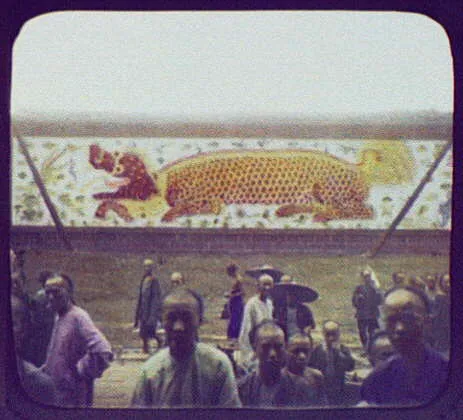
Photo: William Henry Jackson, Public domain, via Wikimedia Commons
In my town, the water tower is painted like a pumpkin. Not an elegant, design-agency pumpkin — a cheerful, slightly lopsided one with a stem that curves in a way stems do not. People love it. People photograph their kids in front of it. A few years back, when the council floated repainting it a tasteful solid gray, the public meeting reportedly got heated enough that someone brought a petition with four hundred signatures. The pumpkin stayed.
I think about that pumpkin a lot whenever the subject of public art comes up.
The Politeness Problem
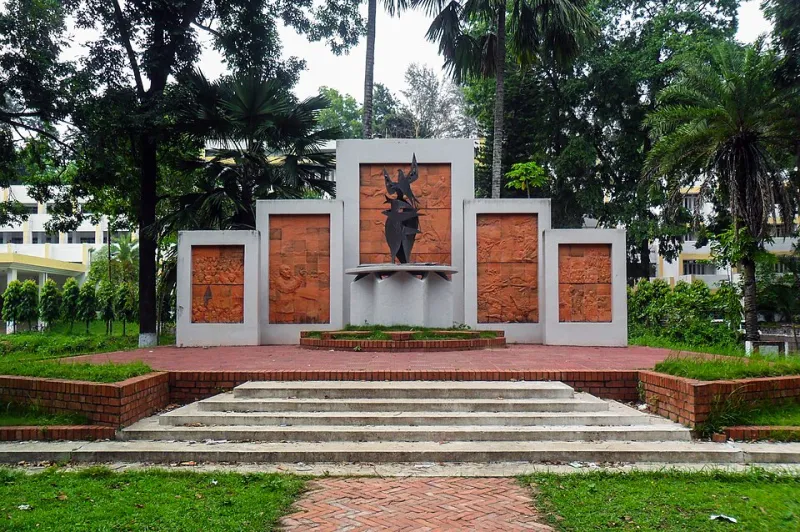
We've developed a habit of evaluating public art the way we evaluate airport lounges: Is it sleek? Is it timeless? Would it look at home in a design magazine? By those standards, the hand-painted downtown mural with the perspective that goes a little wrong, or the bronze founder's statue with arms slightly too long, comes up short.
But that's the wrong rubric, and I'd argue it's an actively harmful one. Because the question we should be asking about art in public space isn't "is it good?" It's "whose is it?"
Made By, Not Just Made For
Here's what the polished installation and the wonky mural don't have in common: process. The sleek piece usually arrives from elsewhere — commissioned, fabricated out of state, installed by a crew that left before the paint cured. It's a gift the town never asked for, dropped in by people passing through.
The wonky piece is almost always made by someone who lives here. The retired art teacher who organized the mural. The shop owners who held the ladder. The teenagers who painted the sky and got the color wrong on the first pass and, in the spirit of the thing, left it. When you look at that mural, you're not just looking at an image. You're looking at a list of neighbors, rendered in exterior latex.
That's why the pumpkin water tower won its fight. Nobody had an emotional attachment to a design firm's render. Everybody had an attachment to the year the fire department auxiliary painted it themselves, the one guy who fell in the lake, the whole story of it.
Imperfection Invites Participation
There's something else, too. Perfect art intimidates. Imperfect art invites. A mural with visible brushstrokes tells every kid who walks past it: you could do this. A flawless, machined sculpture tells them: this is for professionals.
Grassroots art is a door left open. It says the town's culture isn't a finished product handed down from experts — it's a group project, still underway, and there's room on the ladder for you.
In Defense of the Fading
Let's be honest about the downsides, because critics love to list them: the paint peels, the proportions are off, the style dates itself. All true. But a mural fading on a brick wall isn't a failure — it's a calendar. It marks the year this street cared enough to try. And unlike a polished monument, it will need the community again in five years. Renewing it becomes a ritual. That's not a bug. That's the whole point.
Paint the Water Tower
So here's my modest proposal for every town council weighing a public art decision: skip the consultant. Ask who in town wants to make something, give them the wall or the tower or the patch of grass, and prepare to be a little embarrassed by the result.
Embarrassed, and then, a few years later, fiercely proud. Because the slightly wonky things we make ourselves are the only public art that can truly be called ours. The pumpkin stays. The pumpkin should always stay.