Paint the Town Real: How Grassroots Muralists Are Turning Blank Walls Into Neighborhood Legends
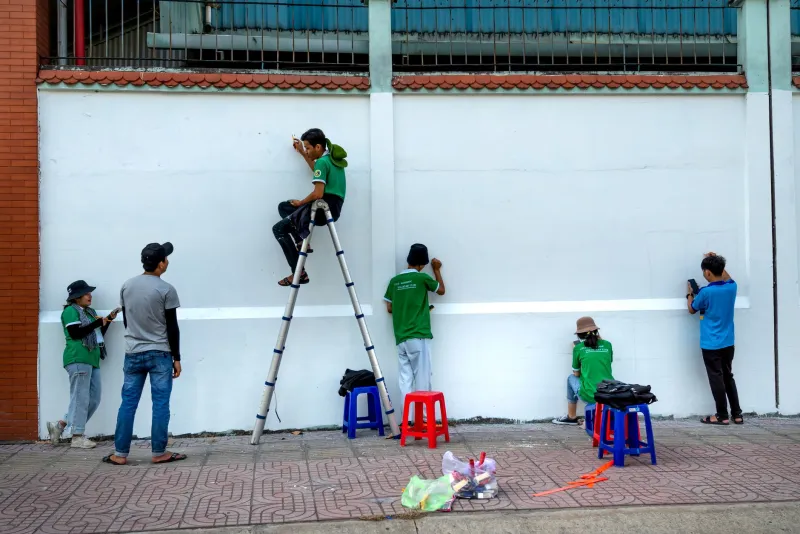
There's a particular kind of magic that happens when a blank, gray wall becomes something else entirely. Maybe it's a towering portrait of a neighborhood elder, painted in warm ochres and deep blues. Maybe it's a swirling galaxy of wildflowers that somehow feels like home. Whatever the image, the transformation is never just visual — it's communal, emotional, and deeply political in the best possible way.
Across the United States, a grassroots mural movement is quietly — and loudly — reshaping how we think about public space. Artists and community organizers, often working with shoestring budgets and borrowed ladders, are turning neglected walls into open-air galleries that belong to everyone. And the stories behind these projects? They're as vivid as the paint itself.
From Forgotten to Unforgettable
Walk through the Pilsen neighborhood on Chicago's Lower West Side and you'll quickly understand what it means for a community to claim its own story through art. Murals here aren't decorations — they're declarations. Painted over decades by local Chicano artists, these walls document migration, resistance, grief, and joy in equal measure. The tradition stretches back to the 1960s, but it's very much alive today, with new generations of artists adding their voices to the conversation.
Similar scenes are unfolding in cities like Richmond, Virginia, where the mural arts organization Mending Walls has been pairing Black and white artists together to create large-scale works that address racial history. Or in Tucson, where Indigenous artists have used public murals to assert visibility in a landscape that too often renders them invisible. The walls speak because the communities behind them need to be heard.
What makes these projects distinctly grassroots is their refusal to wait for institutional permission or corporate funding. Yes, some murals receive city grants or private sponsorships. But many start with nothing more than an artist, a vision, a sympathetic building owner, and a whole lot of community buy-in.
The Creative Process: More Than Just Paint
Ask any experienced community muralist and they'll tell you: the painting is actually the easy part. The real work happens before a single brush touches a wall.
Tamara Osei, a muralist based in Atlanta who has completed over a dozen community projects in the last five years, describes her process as starting with listening. "I spend weeks just talking to people in the neighborhood," she says. "What do they want to see? What do they want to remember? What are they tired of being invisible?" Only after those conversations does she begin sketching.
That collaborative approach is common among community-focused artists. Rather than imposing an outside vision onto a neighborhood, the best mural projects function almost like a public dialogue — the artist becomes a kind of visual translator for collective memory and aspiration.
The logistics can be genuinely complicated. You need to secure permission from property owners, which often involves navigating landlord skepticism or city permit requirements. You need supplies — high-quality exterior paint isn't cheap, and large-scale projects can require hundreds of dollars worth of materials. And you need time, which means either working with a paid artist or rallying volunteers willing to show up on a Saturday with rollers and enthusiasm.
Still, the barriers are lower than you might think. Many cities have public art programs that offer small grants or technical support. Organizations like the Mural Arts Program in Philadelphia — the largest in the country — provide frameworks that community groups can study and adapt. And social media has made it dramatically easier to crowdfund supplies, recruit volunteers, and document the process in ways that build momentum.
What a Mural Actually Does to a Neighborhood
Research consistently shows that public art has measurable effects on communities — reducing vandalism in some areas, increasing foot traffic in others, and almost universally improving how residents feel about their own neighborhoods. But the real impact is harder to quantify.
Marcos Delgado, a community organizer in East Los Angeles, has watched murals transform the emotional geography of his neighborhood over the years. "When people see themselves reflected on a wall — their culture, their faces, their history — something shifts," he says. "It's not just pretty. It's a message that says: you belong here. This place is yours."
That sense of belonging has ripple effects. Neighbors who might never have spoken start gathering to watch a mural take shape. Local kids get curious and end up learning about art, history, and community organizing all at once. Business owners who were skeptical at first become advocates. A single wall can catalyze a whole new relationship between people who live three blocks apart but have never really met.
How to Start Your Own Public Art Project
Feeling inspired? Good. Here's a practical roadmap for bringing a community mural to life in your own hometown.
Start with your people. Before you think about walls or paint, think about community. Who lives in the neighborhood? What organizations are already doing work there? Attend local meetings, introduce yourself, and listen more than you talk.
Find your wall. Look for blank or underused surfaces — the side of a local business, a community center, a parking structure. Approach property owners with a clear, enthusiastic pitch. Bring examples of other mural projects and emphasize the benefits: increased visibility, reduced graffiti, community goodwill.
Check your local regulations. Many cities require permits for exterior murals, especially if they're on commercial property. Your city's arts commission or planning department is a good starting point. Some municipalities have streamlined this process significantly in recent years.
Fund it creatively. Look into local arts grants, crowdfunding platforms, and neighborhood business associations. Many paint companies offer community discounts or donations. Local hardware stores are often surprisingly generous when approached directly.
Bring in the artist. If you're not a muralist yourself, find one who has community experience and a collaborative spirit. Local art schools, community centers, and social media are great places to look. Make sure everyone is clear on the vision, the timeline, and the compensation.
Document everything. Photos, videos, interviews — capture the process from start to finish. Not just for social media, but because this documentation becomes part of the neighborhood's story.
The walls around you are waiting. What do you want them to say?
Know a community mural project we should feature? Reach out to us at Bonnie Clac — we're always looking for stories that celebrate art made by and for real communities.